


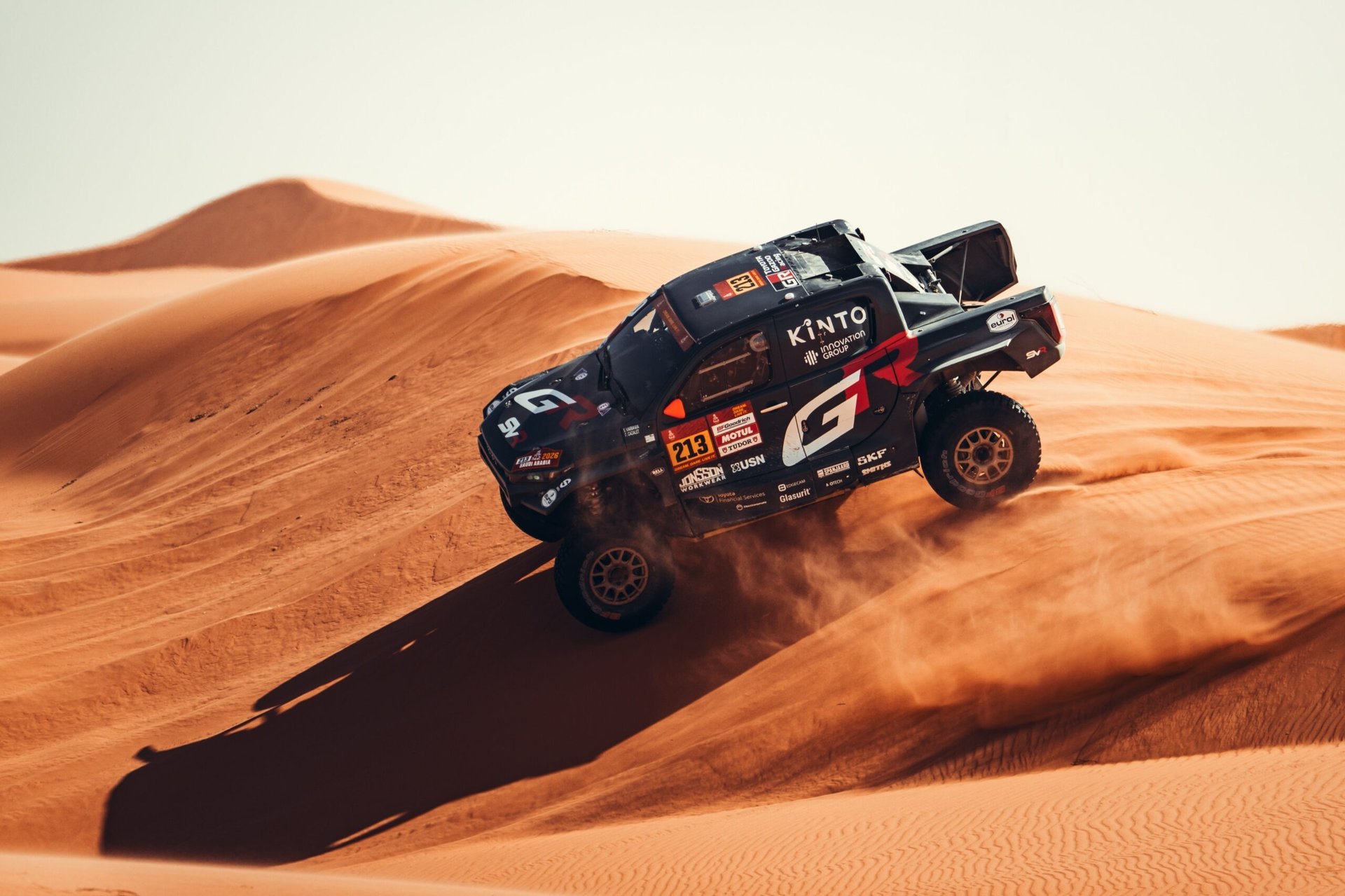
Dakar 2026 Came Down to Two Seconds — The Risk-Management Playbook Before You Race in Italy
Dakar 2026 was decided by two seconds. Here’s the risk-management playbook American drivers can use to race smarter in Italy—strategy, discipline, and what Italian teams reward.
PrimaCorsa.com
1/20/20262 min read
Dakar doesn’t usually end with a margin you can measure in a breath. Yet Dakar 2026 did: the motorcycle title was decided by two seconds, after a late navigation mistake flipped the result.
That kind of finish isn’t “luck.” It’s the final outcome of hundreds of choices: pace control, mental discipline, risk budgeting, and the ability to stay sharp when the brain is exhausted.
If you’re an American driver planning to race in Italy, that’s the real takeaway. Because Italian racing culture rewards the same thing Dakar rewards at the highest level: smart aggression.
Below are seven Dakar-grade habits that translate directly to Italian circuits and Italian team expectations.
1) Build pace in layers, not in one emotional jump
The most common overseas mistake is arriving at a legendary track and trying to be fast immediately.
The better method:
find references
stabilize braking points
lock in exits
repeat until your “average lap” is fast
then chase peak pace
Italian teams love drivers who learn fast and stay consistent.
2) Treat every lap as information (not as proof)
Top drivers don’t “try harder.” They extract more data.
In Italy, your advantage is:
what you notice about grip evolution
how you describe balance changes
how cleanly you separate “driver issue” vs “car issue”
That’s what makes engineers trust you.
3) Don’t pay for ego mistakes
In Dakar, one ego move can destroy a week.
On a circuit, one ego move can destroy the weekend — penalties, damage, lost confidence, lost trust.
Italian grids are close. The driver who finishes clean often beats faster drivers who needed to prove a point.
4) Consistency is a weapon (even in sprint racing)
You don’t need a 24-hour race to benefit from endurance discipline.
Consistency builds:
predictable tire wear
stable braking performance
confidence in traffic
credibility with teams
When you’re new to Italy, credibility is currency.
5) Respect the system: track limits, stewarding, positioning
Many Italian events are strict on:
track limits
avoidable contact
defending/offline moves
rejoining safely
The professional move is not complaining—it’s adapting quickly and driving inside the reality of the weekend.
6) Protect the car (it’s part of performance)
Dakar winners protect the car because finishing is performance.
In Italy, teams look hard at:
brake and tire management
curb usage
mechanical sympathy in traffic
clean inputs under pressure
If you show you can protect the equipment, you become investable.
7) Act like a pro before you land
Your performance is built before the flight:
jet lag plan
hydration + sleep
track study
onboard reviews
clear objectives for each session
Dakar punishes those who improvise. Italy rewards those who prepare.
The simplest takeaway
Dakar 2026 wasn’t decided by raw speed. It was decided by decision-making under maximum pressure.
That’s the same skill set that helps an American driver enter Italian racing the right way: clean, consistent, credible, and ready to build a repeatable program.
In conclusion...
If you want to race in Italy, we can convert your current experience into an Italy-ready plan: category selection, licensing roadmap, testing structure, and team options that fit your budget and goals. Learn more at PRIMACORSA!!!
Contacts
info.primacorsa@gmail.com
© 2026. All rights reserved.
Follow us on our social media